





A/B Testing for SEO: Stop Guessing and Start Ranking Smarter

In SEO, assumptions are dangerous. You can follow every best practice in the book and still watch your rankings flatline. Why? Because what works for one page (or one audience) won’t always work for another.
But small changes can make a big impact… only if you actually know what’s working. That’s where A/B testing comes in. Instead of relying on instinct or copying competitors, you get real data from real user behavior. 📊
Before We Start, Let’s Talk About What A/B Testing Is
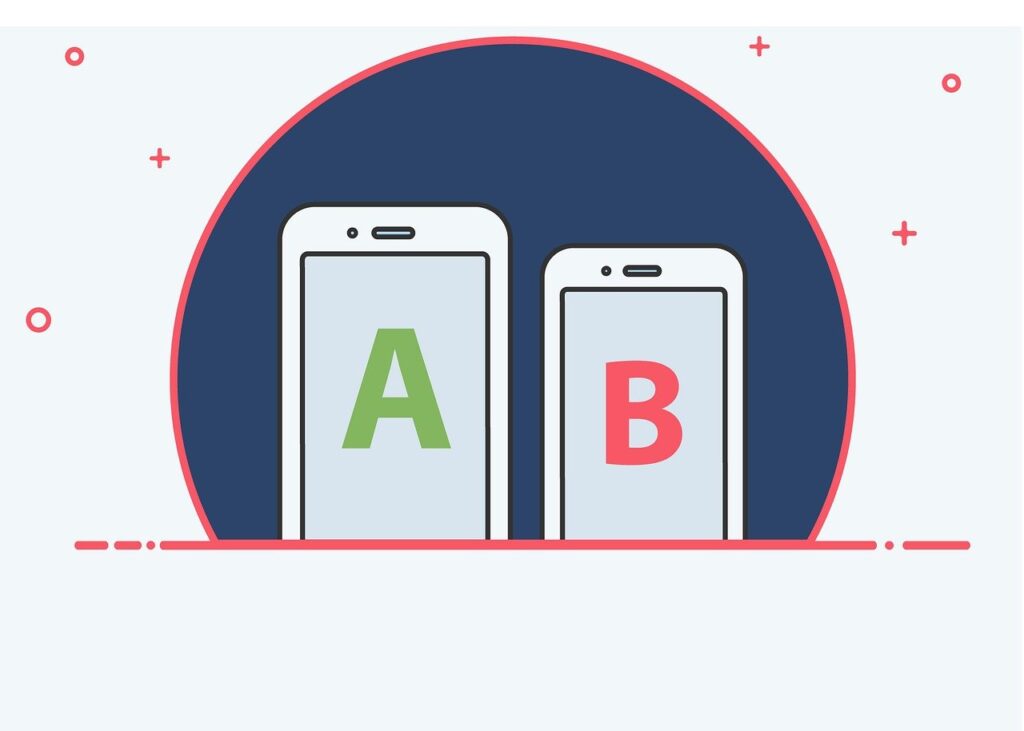
At its core, A/B testing is just a fancy name for a side-by-side experiment. One version stays as-is (your control), while the other includes a specific change, like a new title, different CTA placement, or a tweaked intro.
You’re not redesigning the entire page. You’re isolating one element, so when performance changes, you know exactly why.
This method helps eliminate guesswork and gives you cold, hard evidence about what actually works for your audience and for Google.
Where A/B Testing Fits Into Real-World SEO Work
When you bring A/B testing into your SEO workflow, things get interesting.
You can start by experimenting with title tags: Does Affordable SEO Tools perform better than Best Budget SEO Tools? Only the data will tell you. You can also tweak meta descriptions to see which phrasing gets more clicks, or change your content layout to test engagement metrics like scroll depth and bounce rate.
The magic here is in testing for organic behavior. You’re not just optimizing for design or conversions; you’re optimizing for search visibility, clickability, and usability.
Tools, Discipline, and the Strategy Behind Clean Tests
No good test runs without the right tools. Google Optimize alternatives or custom scripts help you run controlled SEO tests without burning your site down.
But here’s the golden rule: test one variable at a time. Change too much, and you’ll never know what moved the needle.
Also, don’t test just to test. Have a hypothesis. Are you testing to increase CTR? Boost dwell time? Reduce pogo-sticking? Tie every A/B test back to a clear goal and a measurable metric.
Remember, A/B testing isn’t just about being experimental; it’s about being intentional. 🗂️
What to Test (and Tweak) in SEO A/B Testing for Maximum Impact
If you want results that actually improve performance, you need to be intentional about what you test.
Below are some of the highest-impact areas to explore in your A/B testing process, not just because they affect search rankings, but because they shape how users engage, click, scroll, and convert.
Call-to-Action (CTA) Placement
CTAs are often the quiet MVPs of SEO testing. Where and how they appear can make or break a page’s ability to convert.
Try testing whether your CTA performs better above the fold (visible immediately) or below the fold (after some scrolling). You’d be surprised how often users need a little context before they click. You can also experiment with button styles: play with color, size, and copy to see what drives the most clicks. Bold and loud? Or subtle and trustworthy? Only the data knows!
Content Layout and Structure
Design isn’t just about looks; it’s about flow. When your content layout helps users find what they need fast, your bounce rate drops, and time on page rises.
Try rearranging your headings or breaking large blocks of text into more digestible chunks. Experiment with where your images show up: early visuals might pull users in faster, while mid-content images keep them scrolling.
Keywords and Content Variations
Next up: your message.
Are you placing your primary keywords in the right places? Try testing variations, such as placing a key phrase earlier in a heading or moving it from the intro to the second paragraph. You can also test tone (formal vs. conversational) and length (short and punchy vs. long and detailed) to see what sticks.
Sometimes, small tweaks to your content’s delivery can massively impact how users engage and how search engines rank it.
Title Tags and Meta Descriptions
Your title and meta description are your page’s handshake. They introduce you in search results and make the first impression. So yes, A/B testing them is crucial!
Try one version that highlights a benefit, and another that emphasizes a feature. Swap your call to action. Shorten the length. Add urgency. Just don’t change everything at once; remember, clean testing means isolating the variable.
Internal Linking Strategy
Internal links are the underrated secret sauce of great site structure, and yes, they’re totally testable.
Try changing your anchor text to something more specific or curiosity-driven. Move links higher or lower in the content. Reduce the number, or add more (just don’t go overboard!). The goal is to make it easier for users and bots to discover related content and distribute link equity more efficiently across your site.
And This Is How You’ll Run A/B Testing Like a Pro
To do this well, you need a process, one that mixes strategy, structure, and just enough curiosity to question what best practices really mean for your audience.
Start by Picking What to Test (Not Just Any Page Will Do)
As we mentioned, don’t try to test your entire website all at once; that’s chaos disguised as ambition.
Instead, start with high-traffic pages where you’ll gather meaningful data quickly. Identify specific elements to test (such as title tags, meta descriptions, or even page layouts) that align with your goals. That way, your results are clear, and the lessons are actionable.
Let the Data Speak (Even If It Tells You You’re Wrong)
Once your A/B test has been running long enough to gather solid data, it’s time to dig into the results.
Don’t just skim the metrics. Go deep. Are you getting more organic traffic? Is your bounce rate improving? Did version B of your CTA lead to more conversions? Use your tools (you’ve got them, right?) to analyze what improved and what didn’t.
Then, apply those insights to refine your strategy. Even the losing version teaches you something.
Define What Winning Looks Like
Before you test a single thing, get clear on what you’re actually trying to improve. Is it organic traffic? Time on page? Conversions?
Your entire test hinges on having clear, specific goals. Otherwise, you’re just making changes without knowing if they matter.
Build Your A/B Test Variations (AKA the Science Part)
Once your goals and test targets are locked in, it’s time to build out your A and B versions.
This might be a new CTA button, a headline rewrite, or a totally different internal linking structure. Just make sure your changes are meaningful enough to measure. If your variation is swapping a single word… don’t expect earth-shattering results.
Also: change one thing at a time. Mixing variables means you won’t know what worked.
Hit Go (and Let the Test Run Long Enough)
Now, launch your test, and don’t panic if nothing dramatic happens on Day 1.
Depending on your traffic, it could take days or even weeks to gather statistically valid data. The key is patience. You need enough sessions, clicks, and behaviors to draw real conclusions. Pulling the plug too early just resets the experiment.
Let it breathe!
Test. Learn. Repeat.
Here’s the final truth: A/B testing isn’t a one-and-done move. It’s a long game.
Apply your insights. Update your site. Then do it again. And again. Each round teaches you more about how your audience thinks and what actually impacts performance. This is how good SEO becomes great SEO, one tested tweak at a time.
Test It or Guess It
If there’s one thing to take away from all this, it’s simple: stop guessing! A/B testing gives you real answers: no gut feelings, no crystal balls, just clear data that shows what actually works.
This process isn’t about perfection; it’s about progress. One test at a time, you get smarter, your pages get better, and your SEO starts working with you, not against you.
So go on, run the test. Worst case? You learn something. Best case? You win more clicks and more traffic. 📈