





How to Get Users to Stop Fleeing Your Website

Every website wants attention. Some beg. Some scream. Some quietly whisper into the void while wondering why nobody ever calls. The reason often comes down to something called website optimisation. That means sorting out the things that matter before anyone has time to bounce or nap.
The idea sounds techy, but it’s basically spring cleaning for your web pages. The buttons get placed where fingers go. The words match what people search. The page loads before the kettle boils. Website optimisation keeps users happy, and happy users do what they’re supposed to.
So there’s no mystery here. Every tiny tweak can nudge someone toward buying, signing up, or spending five extra minutes instead of vanishing. 🧼
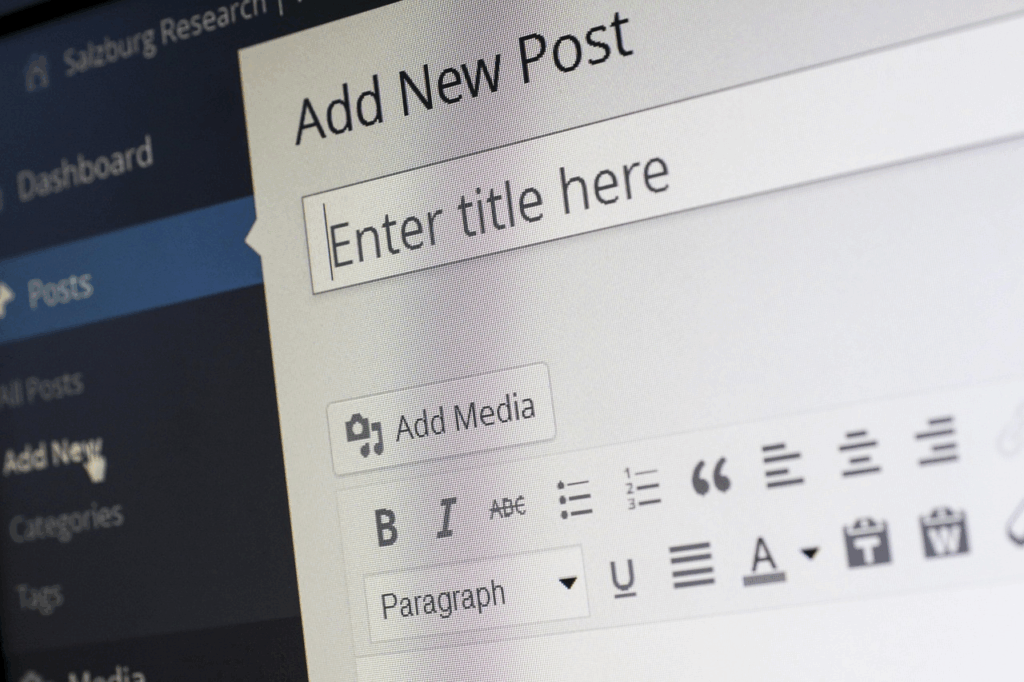
Why website optimisation keeps everything ticking?
It exists because websites get judged faster than a speed date in a thunderstorm. People look, blink, and either stay or vanish.
A well-optimised site encourages someone to stick around. It gives them fast-loading pages, readable layouts, and buttons that behave like they’re supposed to. That’s where the conversions start.
The entire point is to make the user’s path so smooth that they float from page to page without a single grunt of confusion.
It works best when things feel effortless. A fast page, a clear path, and a goal at the end.
What counts as a proper optimisation move
Some people think optimisation means stuffing in a few keywords and hoping for the best. That approach feels like yelling random words through a letterbox.
Instead, there’s a proper method to all this. Every department joins in with their own tools, their own quirks, and their own opinions about what colour the button should be.
Here’s who usually gets involved:
- SEO people who love titles, tags and page rankings
- UX and design folks who care where your eyeballs land
- Analytics teams who live in dashboards and drink spreadsheets
- Web developers who fix things without telling anyone how
- Copywriters who sneak psychology into every sentence
- CRO specialists who track every click like a hawk
They all bring something different, and together they patch holes, untangle user journeys, and polish up key pages until they stop causing chaos.
Website optimisation works best when the basics feel invisible
The best sites feel smooth, like they were designed by someone who reads minds. That only happens when everything boring gets sorted early.
Optimisation means checking for page speed, clear labels, obvious paths, and the right message in the right place.
Once those parts run smoothly, users stay longer, click more, and stop wandering off confused. That’s how optimisation earns its keep. It removes the weird bits and fills the gaps that content alone can’t patch.
Here’s a little table to show what good optimisation looks like compared to lazy setups:
| Feature | Lazy Setup | Smart Setup |
| Page load | Eventually, maybe | Immediately, before the toast pops |
| CTA button | Blue, vague, under a slideshow | Clear, specific, easy to tap |
| Mobile layout | Shrinks the desktop mess into a smaller mess | Prioritised for fingers and scrolling |
| Headline | Tries too hard and says too little | Solves a problem with fewer syllables |
| Checkout form | Eight fields and a CAPTCHA | Fast, friendly, and typo-tolerant |
Why does it actually work better than guesswork
Most websites begin with guesswork. That’s fine for the first draft. Once the traffic comes in, though, real data starts shouting. People ignore the giant banner that took three weeks to approve.
Those are signs that something needs adjusting. Optimisation means watching those signals and responding.
An easy fix might be moving a button higher. A better fix might involve trimming 400 words of nonsense. The best fix can be the one that only the heatmap spotted because users never looked below the fold.
Every adjustment counts when it nudges someone toward the thing they came for.
How small changes get serious results
The beauty of website optimisation lies in its scale. One little tweak can unlock results you’ll want printed on a mug.
Here’s a cheeky rundown of what minor updates can sort out:
- Confusing forms can get cleaned up so people stop quitting halfway
- CTA buttons can start pulling weight when they finally say something useful
- Slow-loading pages can speed up enough to stop bounce rates from flatlining
- Navigation links can become useful instead of decorative
These changes sound tiny. They often take less time than a coffee break. Still, they build up over time like compound interest, only with less maths and more mouse clicks.
What makes it work for different business types
Every website serves a purpose, and every type of business needs something slightly different from its site. Optimisation flexes depending on who’s using it and why.
- Start-ups: They need fast traction and can’t afford confused visitors wasting clicks. Optimisation shows which features attract attention first, so those get placed where they matter.
- Product teams: They rely on real behaviour data to see where users hesitate or quit. Smooth flows and clear actions help features land properly without creating friction.
- Freelancers: They depend on single-page websites to win work and showcase credibility. Optimisation improves visibility, speeds up loading, and makes the contact point obvious.
- Established brands: They handle multiple user types arriving from different paths. Smart tweaks personalise the journey so each visitor sees what matches their intent straight away.
Tools make this easier for regular humans 🛠️
Plenty of tools help teams figure out where things go wrong and how people behave. Some tracks where users click. Some show videos of mouse movements. Some run surveys that ask what people actually think.
There are heatmaps, which show hot zones like a digital lava lamp. There are replay tools that let teams watch what happened without guessing. There’s frustration scoring, which points out where users get stuck or give up.
None of these replaces thinking, but they save time and arguments in meetings.
Why do websites always need a bit more fixing?
Optimisation never ends. That’s the secret. It keeps going as users change, products evolve, and trends get weirder. Every fix adds polish. Every update gives someone a reason to hang around instead of bolting after two clicks.
Website optimisation may sound like something that only big companies worry about. In truth, it belongs to everyone. Because a website that works properly gets the respect it deserves. Even from search engines. Even from strangers. Even from that one grumpy uncle who judges every site he visits. 🧓💻