





Mobile SEO in 2025: Competing in a Mobile-First World

Google’s algorithm doesn’t see desktop as the default anymore. In 2025, your mobile site is the version that defines your rankings, visibility, and authority. For businesses, that shift is no longer an industry trend, it’s the standard that decides who gets found and who disappears.
More than half of global traffic now comes from mobile devices, and user patience is at an all-time low. If your site can’t load quickly, present complete content, and scale seamlessly across devices, search performance will suffer. Mobile-first indexing isn’t just about compliance, it’s about making your website usable for the audiences you depend on most.
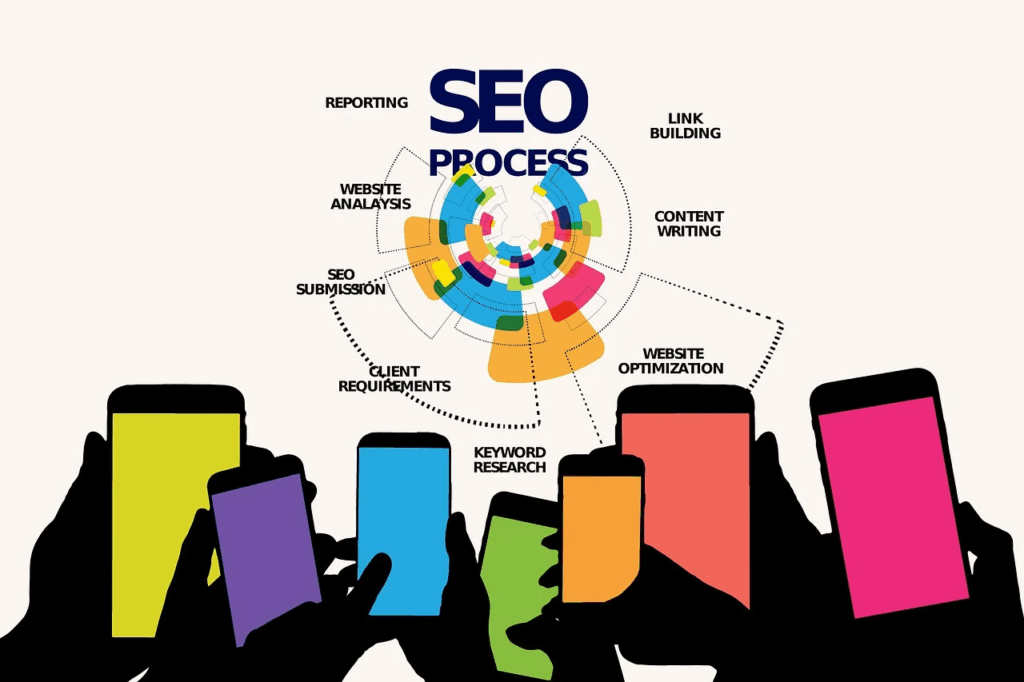
Why Google Flipped the Script on Indexing
Google moved to mobile-first indexing for one simple reason: user behavior. The majority of searches now begin on phones, not desktops. That shift means evaluating your site through a mobile lens is the only way for Google to rank results fairly.
For marketers, the impact is direct. If content, metadata, or structured data is missing on mobile, it’s as if it doesn’t exist at all. Search engines prioritize what they can see and crawl, and in 2025, that lens is exclusively mobile-first.
This shift also changes how brands plan content and design. Mobile is no longer a format you adapt later, it’s the blueprint. Building experiences for small screens first ensures that your message, design, and technical SEO hold up everywhere else.
SEO Consequences of Poor Mobile Execution
Think of your mobile site as the front door of your brand. If it loads slowly, hides key information, or breaks navigation, search engines interpret that as poor quality. Rankings slip, crawl efficiency drops, and engagement plummets.
Performance, parity, and structure all feed directly into visibility. Even if your desktop site is flawless, a weak mobile experience can undo months of optimization work. The algorithm isn’t forgiving, mobile is the baseline, not the add-on.
The bigger danger is perception: users judge credibility by mobile polish. A sluggish or incomplete experience signals that your brand is outdated or unreliable, even if your product is world-class. Poor execution doesn’t just lose clicks, it erodes trust.
How User Behavior Rewired Search Expectations
Today’s visitors expect an instant, seamless browsing experience. A site that takes five seconds to load on a phone might as well not exist. Navigation needs to be touch-friendly, content needs to display without distortion, and page design must adapt fluidly to every screen.
The stakes are higher than just bounce rates. A poor mobile experience damages credibility, limits conversions, and signals to Google that your site isn’t fit to serve. Meeting mobile expectations means meeting modern search expectations, because, to users, they are one and the same.
The Mechanics of Mobile-First Crawling
Googlebot now crawls pages from a mobile perspective. That means if your mobile version lacks text, schema, or alt data that’s present on desktop, it won’t get indexed. It’s not a duplication issue, it’s an omission problem, and it can cost you visibility across critical queries.
Consistency is key. Your mobile site must mirror your desktop in terms of content depth, markup, and metadata. Structured data, internal links, and media optimization should remain intact to ensure Google sees the complete picture.
Why Responsive Design Became the Default
While businesses still experiment with dynamic serving or separate mobile URLs, responsive design has emerged as the clear winner. One URL that adapts to all screens simplifies crawling, preserves consistency, and reduces management overhead.
Dynamic setups or separate m-dot sites can work, but they demand flawless execution. For most brands, responsive design offers the balance of scalability, speed, and accuracy Google’s algorithm prefers.
Core Practices for Mobile SEO Success in 2025
Every successful mobile-first strategy rests on fundamentals that can’t be skipped. These aren’t flashy tactics or experimental hacks, they’re the building blocks Google expects and users demand.

Get them right, and your site is positioned to grow. Neglect them, and even the best content or link strategy won’t save your rankings.
- Responsive frameworks: Design layouts that flex naturally across all devices.
- Content parity: Ensure no text, metadata, or schema is left behind on mobile.
- Speed optimization: Compress visuals, streamline scripts, and focus on Core Web Vitals like LCP, INP, and CLS.
- User-friendly navigation: Create touch-ready menus, eliminate disruptive pop-ups, and keep viewports clean.
These aren’t one-time tasks, they’re the new fundamentals of ranking well in Google’s ecosystem.
Testing and Proving Mobile Readiness
Google provides the tools to check your mobile health, but brands must use them consistently.
- Search Console: Confirms whether your site is indexed mobile-first.
- Mobile-Friendly Test: Surfaces usability issues that frustrate users.
- PageSpeed Insights: Delivers lab and field data on loading speed and responsiveness.
- Schema Validation Tools: Ensure rich data works equally well on mobile.
Testing should become routine, not reactive. The faster you detect issues, the less costly they are in rankings.
Where Most Sites Fail Mobile-First Standards
The most common pitfalls are avoidable but widespread: hidden content, slow load speeds, incomplete structured data, and poorly optimized mobile URLs. These errors not only hurt indexing, but they also frustrate visitors.
Fixing them means more than patching gaps. It requires alignment between content, design, and technical SEO. The brands that thrive are the ones that treat mobile as the centerpiece of digital strategy, not an afterthought.
Advanced Mobile Optimization Strategies
Once you’ve mastered the basics of mobile SEO, responsive design, content parity, and speed, the next step is refinement. Advanced optimization isn’t about fixing broken foundations; it’s about pushing performance further.
- Preloading & lazy loading: Speed up key visuals while keeping resource loads lean.
- Mobile-first UX features: Add sticky navigation, gesture support, and seamless scrolling.
- Native mobile vs AMP: Responsive native pages often outperform AMP for control and branding.
- Platform-level tuning: Optimize plugins, caching, and themes on CMS platforms like WordPress, Shopify, or Magento.
Advanced tactics are about refinement. They ensure your mobile site isn’t just functional, it’s competitive.
Sustaining Mobile SEO Over Time
Mobile optimization doesn’t end with a redesign.
- Track KPIs: Keep Core Web Vitals above benchmark levels.
- Schedule audits: Use Lighthouse and WebPageTest to uncover regressions.
- Monitor structured data: Validate updates to prevent errors in rich results.
SEO is continuous, and mobile-first performance requires the same constant attention. Monitoring ensures your site evolves alongside Google’s expectations.
Final Word: Mobile Is the New Default
By 2025, mobile-first indexing isn’t a transition, it’s reality. Google measures your mobile experience first, users judge it instantly, and your rankings depend on it completely.
Brands that deliver fast, consistent, and complete mobile sites will lead. Those that treat mobile as secondary will lose visibility, trust, and growth. The difference between thriving and fading in search now depends on one thing: building for the screens people actually use.